
What does it feel like to walk into a room as the only Black lobular breast cancer survivor and advocate?
To hear people discuss the need for diversity while you’re sitting right there, feeling invisible?
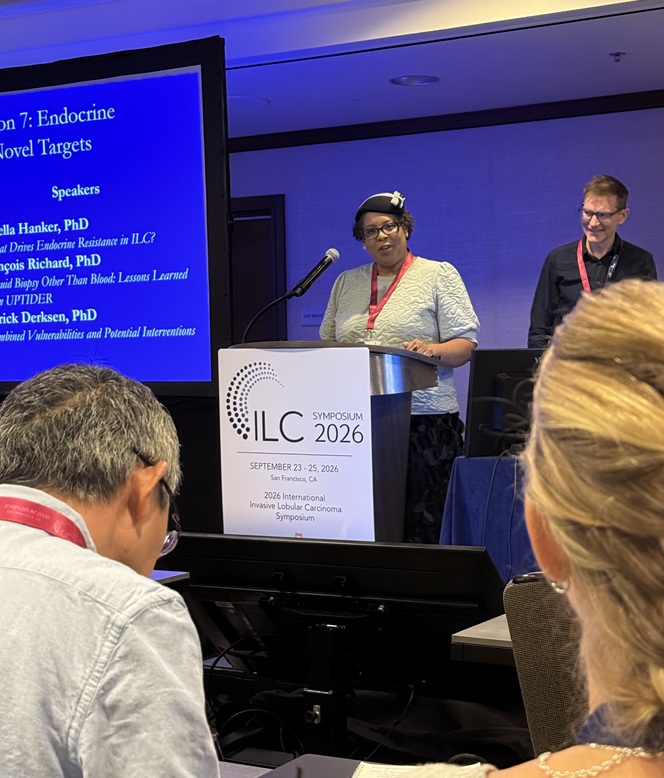
These questions have stayed with me since the International Invasive Lobular Carcinoma Symposium in San Francisco last month.
As a 10-year survivor, being at a symposium dedicated to the type of breast cancer that changed my life was deeply meaningful. I felt encouraged by the research and hopeful about what it could mean for our community.
I also felt isolated, angry, and exhausted.
Those feelings existed together. I didn’t leave my gratitude behind when I felt disappointed. I didn’t stop caring about the science when I struggled to focus on it.
I was carrying all of it.
Before arriving, I already suspected I would be “the only.” I felt pressure to look polished, memorable, impossible to overlook. My clothes and vintage hats were my usual style, but the calculation underneath was exhausting: What would it take to have my presence and my expertise recognized?
And yes, my hat game was on point.
But underneath that hat, I couldn’t relax.
There were moments when I felt spoken to as though I were brand new to advocacy. I had brought years of experience collaborating with researchers, clinicians, industry, and fellow advocates. Having to establish that credibility took energy I wanted to spend learning and connecting.
When another white survivor told me Black women had attended the previous symposium, I suppose she meant to reassure me. Instead, I felt enraged.
Who had asked why they hadn’t returned?
Who was acknowledging what it felt like to be there now, alone?
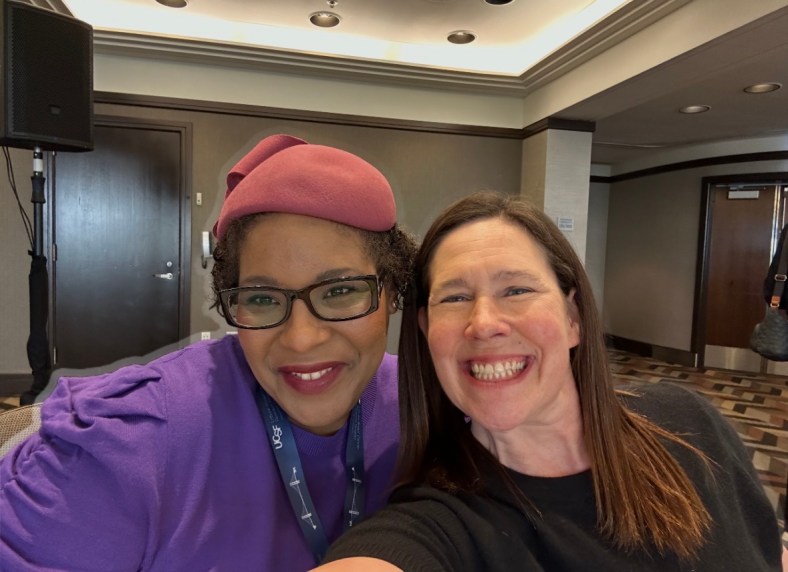
Ali, AmyEllen, and Kathryn took time to meaningfully engage with me. Their kindness helped me keep showing up.
I don’t particularly like the term “ally.” Listening, supporting, and caring, even when someone’s truth makes you uncomfortable, should be part of being a good human.
Their care mattered. So did the isolation.
That is part of the complexity of a cancer experience: you can find connection and still feel profoundly alone. You can celebrate progress while questioning who will benefit. You can feel proud of showing up and resent how much showing up demands.
Holding those emotions takes energy. It shapes what you can absorb, how safe you feel speaking, and whether you have the capacity to return.
So I want organizers, researchers, clinicians, and advocates to ask:
Who is missing, and why?
If someone attended before but didn’t return, has anyone asked them why?
How are you intentionally engaging Black people affected by lobular breast cancer and the broader Black breast cancer community?
And are you prepared to believe what they tell you?
Please sit with that last question.
When I describe feeling dismissed, listen before explaining someone’s intentions. Intentions do not erase impact. The one Black survivor in the room should not have to educate everyone while trying to participate.
The financial burden added another layer. Although I received a travel grant, I had to front the entire cost. The fact that I had to initiate the communication, ask about reimbursement, and send follow-ups really angered me.
My credit card bills do not pause.
That frustration now sits alongside everything meaningful I gained.
During Breast Cancer Awareness Month, we need room for the full emotional reality of survivorship. Gratitude, anger, hope, and disappointment. I shouldn’t have to silence one feeling to make another believable.
I care deeply about this work. I want Black survivors to find community and have their expertise respected.
I’m proud I showed up. I’m grateful for the connections. I’m angry about what it cost me.
How much more am I expected to carry just to be included?
Until next time,
Warrior Megsie
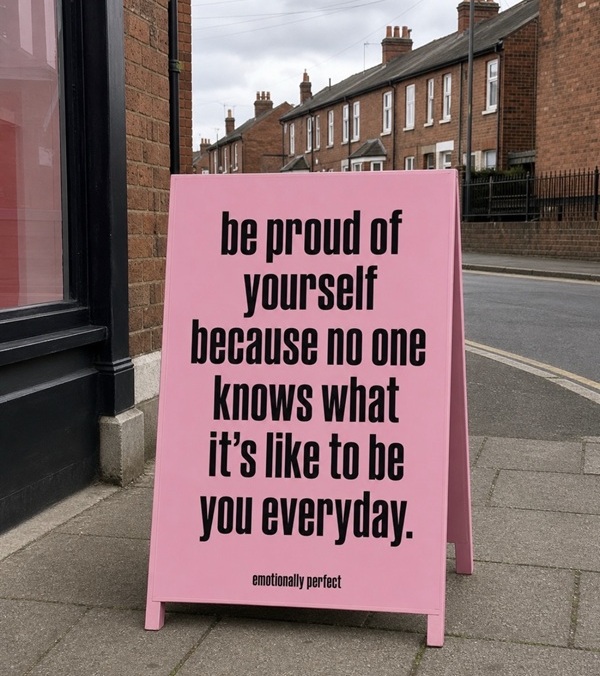
Featured graphic: @emotionally.perfect on IG

